ONLINE REGISTRATION
Close


ONLINE REGISTRATION
Close
Industrial piping systems need strong, reliable, and pretty efficient branch connections. In the past, a lot of people would weld separate fittings right onto the main pipe. However, many industries now prefer T-Drill collaring because it creates durable branch connections while reducing material costs and installation time.
In this guide, we will explain what T-Drill collaring is, how it works, and why it remains a preferred solution for industrial pipe branching.
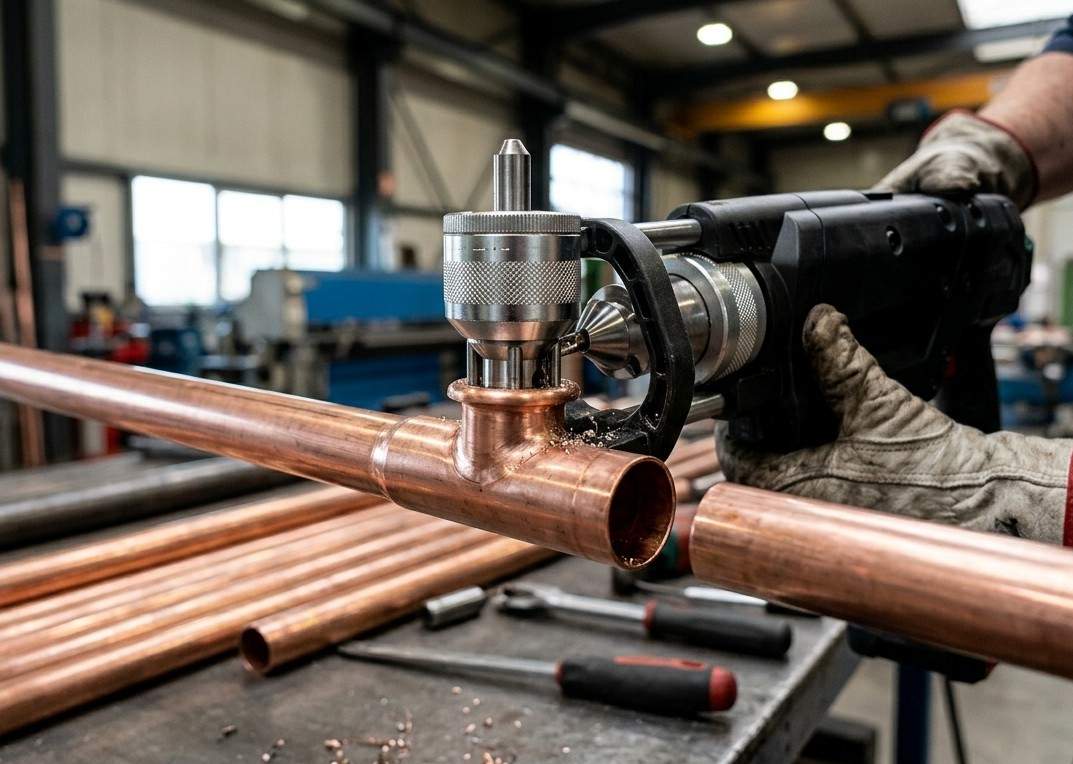
T-Drill collaring is a specialized pipe fabrication process. It forms a reinforced collar directly from the wall of a run pipe. This collar creates an outlet where a branch pipe can connect.
Unlike conventional branch fittings, T-Drill collaring uses the existing pipe material. As a result, it eliminates the need for many additional fittings.
The process uses advanced machinery. The equipment creates an opening and then pulls the surrounding metal upward. This action forms a strong collar around the branch connection.
Consequently, manufacturers achieve a clean and precise branch outlet with minimal material waste.
The process follows several simple steps:
Because the collar comes from the parent pipe, the finished connection offers excellent structural integrity. Furthermore, modern machines maintain consistent dimensions throughout production.
Many industries choose T-Drill collaring because it offers significant operational and economic advantages.
Traditional branch connections often require tees, couplings, and additional fittings. These components increase project costs.
T-Drill collaring reduces the need for separate fittings. Therefore, companies save money on materials. Additionally, fewer components simplify inventory management.
Time matters in industrial construction projects. Since T-Drill collaring creates the branch directly from the main pipe, installation becomes faster. Workers deal with fewer pieces, and then the whole assembly tends to come together faster.
Stronger connections happen because the collar forms using the same material as the run pipe. So, the branch connection keeps excellent strength and long-lasting durability. The way this is designed helps stress spread out more evenly across the whole connection zone, instead of concentrating in one spot. That’s why piping systems are often more dependable when conditions get demanding.
Conventional fittings can create turbulence inside piping systems. On the other hand, T-Drill collaring creates smoother internal transitions, so fluids kind of travel through the system with less disturbance. Therefore, the flow efficiency improves.
Traditional branching methods require multiple welds. Also, T-Drill collaring cuts down the number of weld joints.
So, fabrication feels easier and it becomes simpler to manage and confirm quality. In addition, when there are fewer welds, inspection duties and maintenance needs can drop too.
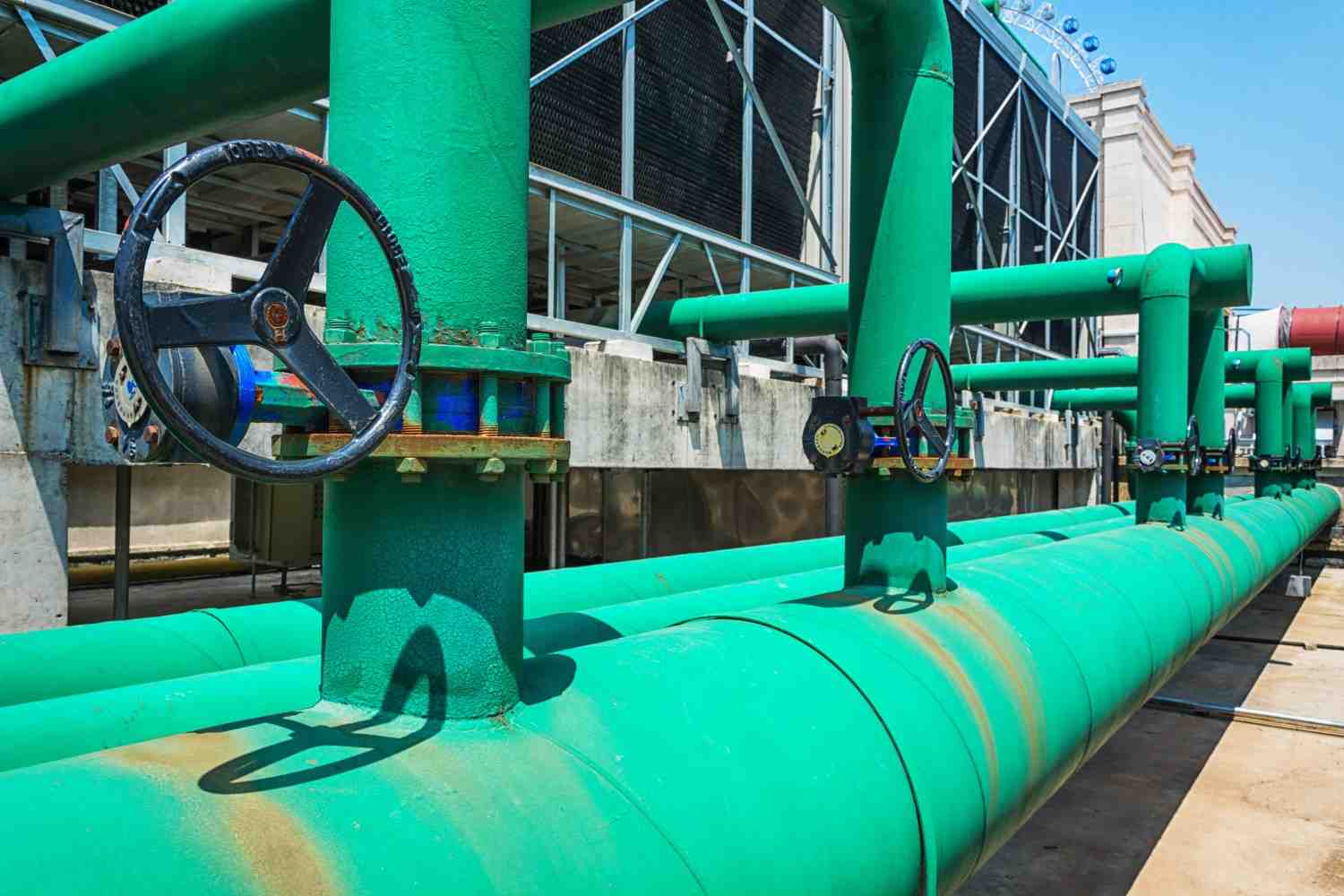
Many sectors benefit from this technology.
Oil and gas facilities require durable piping networks. T-Drill collaring provides reliable branch connections for demanding environments.
Cleanliness is essential in food processing plants. The smooth internal surfaces created by T-Drill collaring help support sanitary system designs.
Pharmaceutical facilities demand precision and cleanliness. Therefore, many engineers choose T-Drill collaring for hygienic piping systems.
Chemical plants operate under challenging conditions. Strong branch connections help maintain system integrity and operational safety.
Large HVAC installations and energy facilities often use extensive piping networks. T-Drill collaring helps reduce installation costs while maintaining high performance.
When comparing T-Drill collaring to conventional tee fittings, several differences stand out.
Separate fittings add extra weight to piping systems. However, T-Drill collaring uses existing pipe material. Therefore, the overall system remains lighter.
Every fitting and weld introduces a potential leak location. Because T-Drill collaring reduces component count, the system contains fewer possible leak points.
Material savings, reduced labor, and quicker install work together to lower total project costs. As a result, many companies end up seeing meaningful long-term value..
Modern T-Drill equipment delivers repeatable results. Therefore, manufacturers can maintain high production standards across large projects.
Although T-Drill collaring offers many benefits, proper planning remains important.
Additionally, trained operators and quality equipment help ensure successful results.
Industrial facilities continue seeking ways to improve efficiency and reduce costs. Therefore, advanced fabrication methods like T-Drill collaring continue gaining popularity. Manufacturers also like the balance here between strength, effectiveness, and cost advantages.
And with better automation, plus more precise tooling, adoption will likely grow in other industries too. As industrial projects become more complex, solutions that trim down labor, reduce material use, and minimize maintenance will keep being pretty valuable.
If your project requires high-quality industrial piping solutions and expert fabrication support, UC Design & Distribution can help. Our team understands advanced piping technologies and delivers reliable solutions tailored to your operational needs. Contact UC Design & Distribution today to learn how we can support your next industrial piping project.
T-Drill collaring creates strong branch connections directly from pipe material, reducing fitting requirements significantly.
It lowers costs, reduces welding, improves flow, and creates stronger branch connections overall.
Oil, gas, food processing, pharmaceutical, chemical, HVAC, and energy industries use it widely.
Yes, fewer fittings and welds create fewer potential leak points throughout piping systems.
Yes, faster installation and reduced material requirements help complete projects more efficiently.
