ONLINE REGISTRATION
Close


ONLINE REGISTRATION
Close
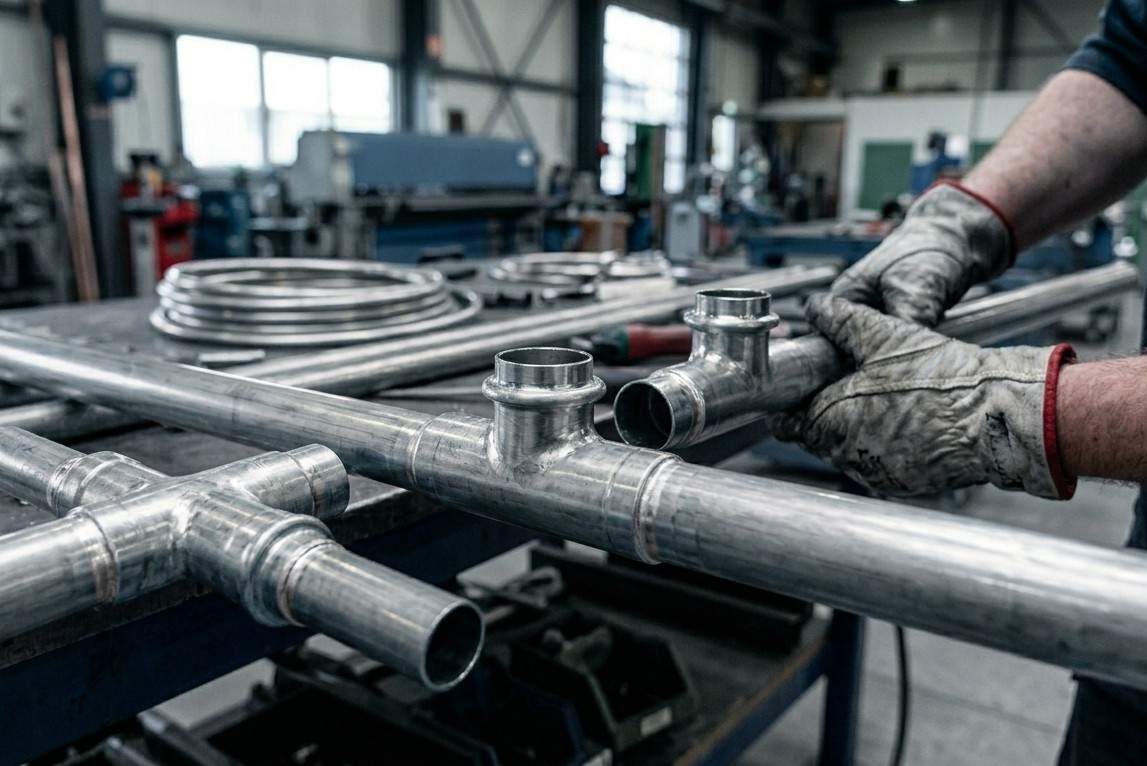
Industrial piping systems form the backbone of many industries. Pipe networks are essential for oil and gas plants, chemical plants, food processing plants, and HVAC systems. Standard pipe branching techniques tend to be costly and time-consuming. They also need lots of welding and other fittings.
Fortunately, today’s pipe branching technology has a better answer. Reduces the cost of welding, increases installation speed, and enhances the efficiency of the welding system. With the further development of industries, advanced branching methods are more in use than ever before and are viewed as cost-effective solutions.
The technology of pipe branching is used to form branch connections directly from the main pipe. Rather than add several fittings to the pipe, fabricators use special equipment to create a branch outlet from the existing pipe material.
This will minimize the number of tees, branch fittings, and couplings required. Hence, the installation is easier and more efficient.
Furthermore, the branching systems of the modern type give accurate and reproducible results. Thus, companies can ensure that their projects have a high level of quality.
Numerous fabrication steps are needed with traditional branching methods. Cutting pipes, installing fittings, welding several times, and checking all connections are all tasks that workers must do. These activities take both time and resources.
This means that the cost of the projects can tend to rise if traditional approaches are applied liberally.
Reducing welding is one of the major benefits of modern pipe branching technology. Multiple weld joints might be needed for the installation of a traditional branch connection outlet. Preparation, welding, and inspection of each weld require some time.
However, many of these welds are eliminated in more advanced branching methods. This consequently allows fabricators to spend more time installing and less time welding.
Moreover, the fewer welds there are, the fewer opportunities there will be for weld defects. Thus, the quality control will be easier and more efficient.
In industrial construction projects, time is an important factor. Each delay adds to labor costs and may impact project timelines. Fortunately, pipe branching technology is available to help expedite the entire installation process.
The fewer components that workers touch, the quicker the assembly can be made. Moreover, its simplified fabrication process decreases the number of production operations.
This means that project teams can make installations in shorter time frames. This benefit becomes particularly important when undertaking large industrial projects.
Labor is a major cost component of piping projects. As the number of welds and fittings increases during the installation, the labor cost increases rapidly.
The advancement of pipe branching technology makes it easier to manufacture. Hence, employees put in fewer hours in every connection to a branch. Moreover, the shorter the time it takes to install, the more work that will be done in the given timeframe. Therefore, companies enjoy significant labor savings.
With traditional branch connections, it is often necessary to use separate fittings, connectors, and reinforcement components. These materials add to the cost and inventory of projects.
The advanced pipe branching techniques allow the use of the existing pipe material to produce pipe branches. Thus, the number of components bought is reduced.
Additionally, the use of fewer materials reduces transportation and storage costs. This provides further benefits in terms of cost savings over the life of the project.
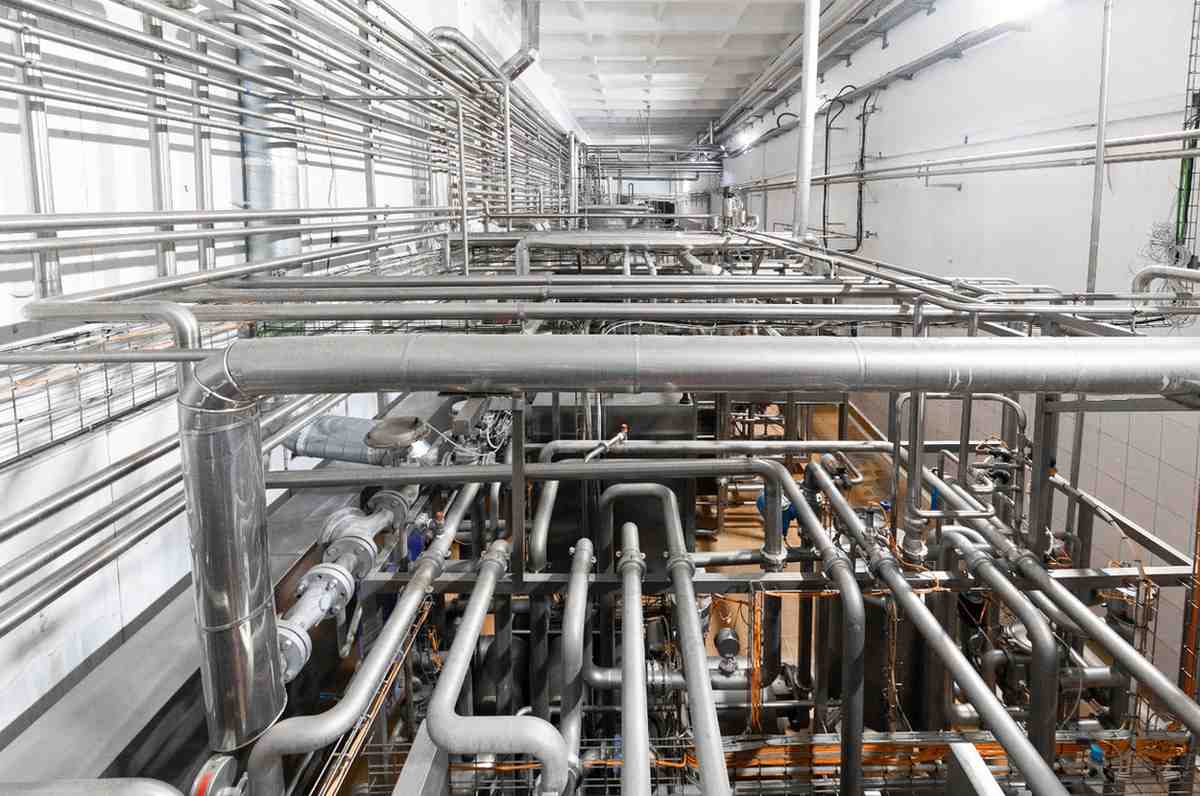
Each weld is a potential failure area. Skilled welders create good welds, but fewer welds lead to greater reliability of the overall system.
The pipe branching technology reduces the number of welds in the piping system. Hence, a fewer number of inspection/maintenance areas exist in systems.
In addition, fewer connection points generally result in lower leak risks. This can also assist in keeping facilities safe and efficient. Improved planning and scheduling of projects.
If you’re working on a complex piping project, it needs to be well-coordinated. Multiple welding stages in traditional fabrication methods can lead to scheduling issues as they need specialized labor.
Therefore, the managers have the possibility to plan the installation activities more efficiently. Also, it minimizes welding requirements and avoids labor bottlenecks. This means that projects remain more on track with their scheduled deadlines.
Quality is a key concern in industrial fabrication. All welds must adhere to very specific criteria and, in many cases, be inspected. A hundred or thousands of welds are required when projects have hundreds or thousands of welds, it will be more demanding to do quality control.
The total number of welds is reduced using pipe branching technology. This means that inspection teams are able to concentrate on fewer critical connections. This enhances the efficiency and quality standards.
Furthermore, automatic branching equipment can be used in several installations and gives consistent results. For industry use, apply to other industries or fields.
In the oil and gas industry, the pipelines are subjected to severe operating conditions and must be robust. Pipe branching technology is used to lower fabrication costs yet keep reliability.
Robust, leak-proof piping systems are necessary in chemical plants. Minimized weld counts mean system performance and safety are improved.
Smooth inside walls and secure connections are essential in sanitary piping systems. Modern branching methods meet these important requirements.
Precision and cleanliness are essential in pharmaceutical facilities. This means that there are benefits to advanced branching.
In large HVAC and energy projects, there are typically extensive piping networks involved. An array of components is available to aid in faster installation, thus lowering construction costs and project timelines.
The benefits of pipe branching technology go beyond the initial installation.
In addition, companies enjoy:
As a result, TCO can become much lower over time. There’s no doubt that advanced branching methods are a good long-term investment.
Industrial sites are still searching for ways to achieve efficiencies and lower costs. So, there is still an increasing demand for innovative fabrication technologies.
The following are modern solutions for pipe branching that can help organizations meet both goals. Moreover, the growing levels of automation and precision equipment drive performance improvements. Consequently, these technologies are likely to be more widely adopted in the future by more industries.
If you want efficient, reliable, and cost-effective piping solutions, UC Design & Distribution is ready to help. Our experienced team understands modern pipe fabrication technologies and delivers solutions tailored to your project requirements. Contact UC Design & Distribution today to learn how advanced pipe branching technology can improve your next industrial installation.
Pipe branching technology creates branch connections directly from pipes while reducing fitting requirements significantly.
It minimizes weld joints, reducing labor hours, inspection needs, and overall fabrication expenses.
Yes, fewer components and welds allow faster assembly and shorter project completion times.
Oil, gas, chemical, pharmaceutical, food processing, HVAC, and energy industries benefit greatly.
Yes, fewer welds and connections reduce maintenance requirements and potential leak risks.
